
Transform Your Health with Expert Nutrition Guidance
Discover evidence-based eating strategies from qualified nutritionists. Learn how to build lasting healthy habits for a vibrant life.
Why Nutritionists Recommend Whole Foods
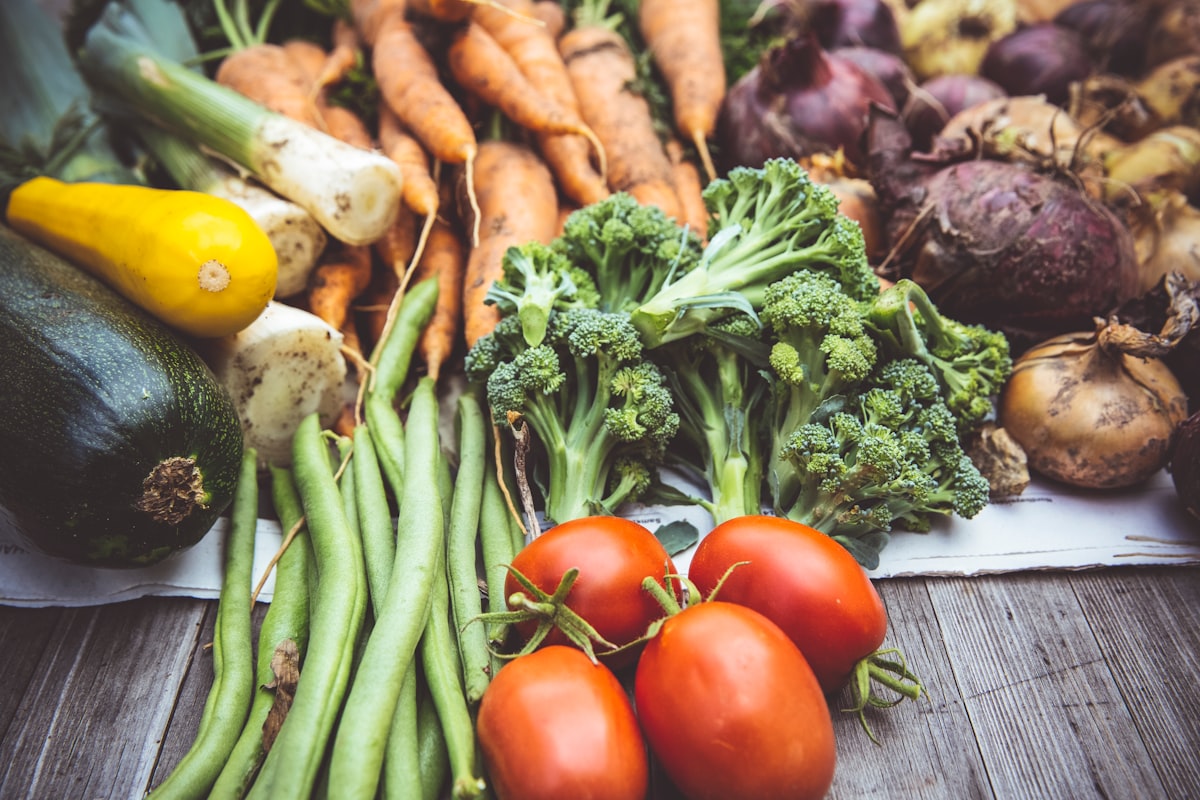
Whole foods form the foundation of any nutritious diet. Unlike processed alternatives, they contain natural fibre, vitamins, minerals, and phytonutrients that your body recognises and utilises efficiently. Nutritionists consistently emphasise that eating foods in their natural state supports digestion, energy levels, and overall wellbeing.
When you choose whole grains, fresh vegetables, lean proteins, and healthy fats, you're giving your body the raw materials it needs to function optimally. These foods contain no artificial additives, preservatives, or hidden sugars that can derail your health goals.
Rich in Essential Nutrients
Whole foods provide bioavailable nutrients your body can absorb and use immediately.
Natural Satiety Signals
Fibre and water content help you feel full longer, naturally regulating portion sizes.
Sustained Energy Release
Complex carbohydrates and quality proteins provide steady energy throughout the day.
Essential Eating Tips from Our Experts
Prioritise Colourful Vegetables
Different coloured vegetables contain different phytonutrients. Red tomatoes contain lycopene, orange carrots contain beta-carotene, and dark leafy greens are packed with iron and calcium. Aim for a rainbow on your plate every day to ensure you're getting a complete spectrum of protective compounds.
Stay Hydrated Throughout the Day
Water is essential for every metabolic process. Most nutritionists recommend drinking at least 2-3 litres daily, though individual needs vary based on activity level and climate. Proper hydration supports nutrient transport, temperature regulation, and mental clarity.
Plan and Prep Your Meals
Meal preparation is one of the most effective strategies for maintaining consistency. When you plan ahead, you're more likely to choose nourishing foods and less likely to rely on convenience options. Even dedicating two hours weekly to prep can transform your eating patterns.
Read Ingredient Labels Carefully
Understanding what's in your food is crucial. Check for hidden sugars, excessive sodium, and unfamiliar additives. Look for products with short ingredient lists you can pronounce. This simple habit builds awareness and helps you make informed choices aligned with your health goals.
Balance Your Macronutrients
Every meal should contain a balance of protein, healthy fats, and complex carbohydrates. Protein supports muscle maintenance, fats support hormone production, and carbohydrates fuel your brain and body. This balance helps maintain stable blood sugar and sustained energy.
Eat Mindfully Without Rushing
Slow eating allows your brain time to register fullness signals, which typically arrive 15-20 minutes after you start eating. Chew thoroughly, eliminate distractions, and focus on flavours and textures. This practice improves digestion and helps prevent overeating.
Inspiring Meal Prep Ideas

Balanced Grain Bowls
Combine whole grains like quinoa or brown rice with roasted vegetables, lean protein, and a healthy fat source. These bowls are versatile, portable, and provide complete nutrition in one convenient container.
Learn More →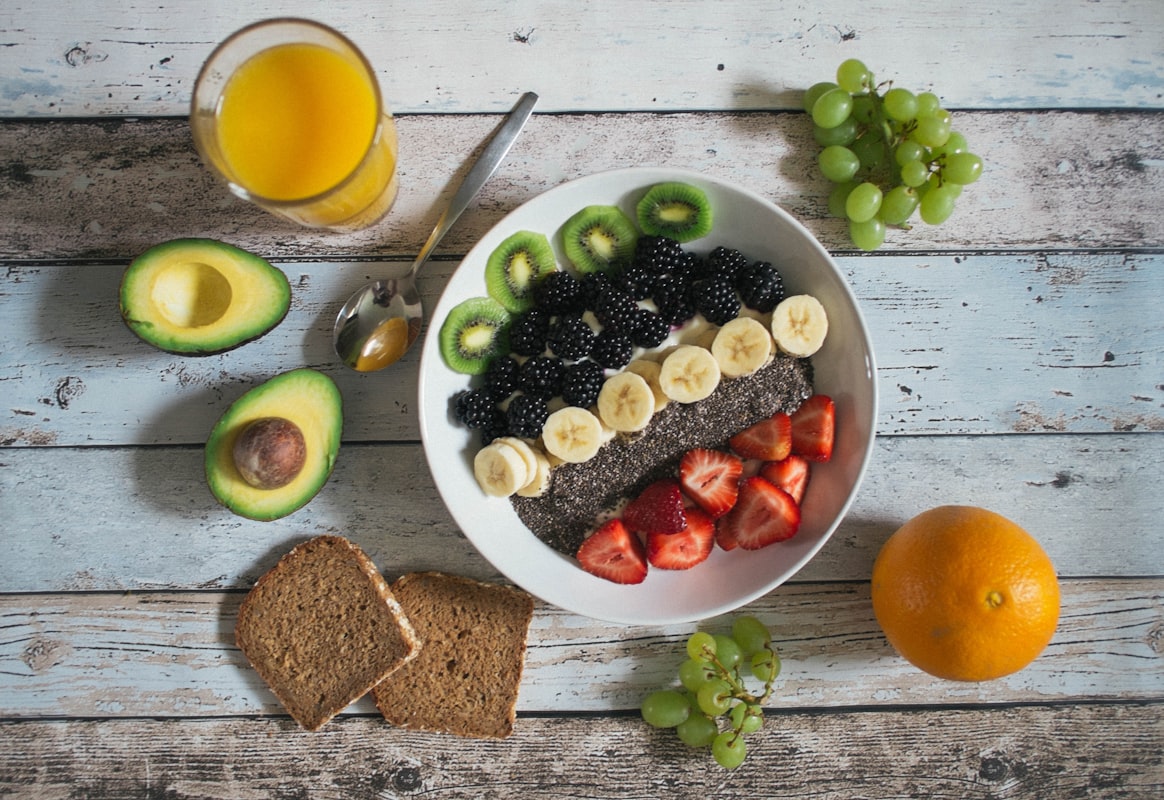
Mason Jar Salads
Layer dressing at the bottom, then heavier ingredients, greens last. When you shake and pour into a bowl, everything mixes perfectly. This method keeps salads fresh for up to five days in the fridge.
Learn More →
Overnight Oats
Mix oats with yoghurt, milk, and your choice of fruits and nuts. Leave overnight and grab in the morning. These no-cook breakfasts are perfect for busy mornings and provide sustained energy.
Learn More →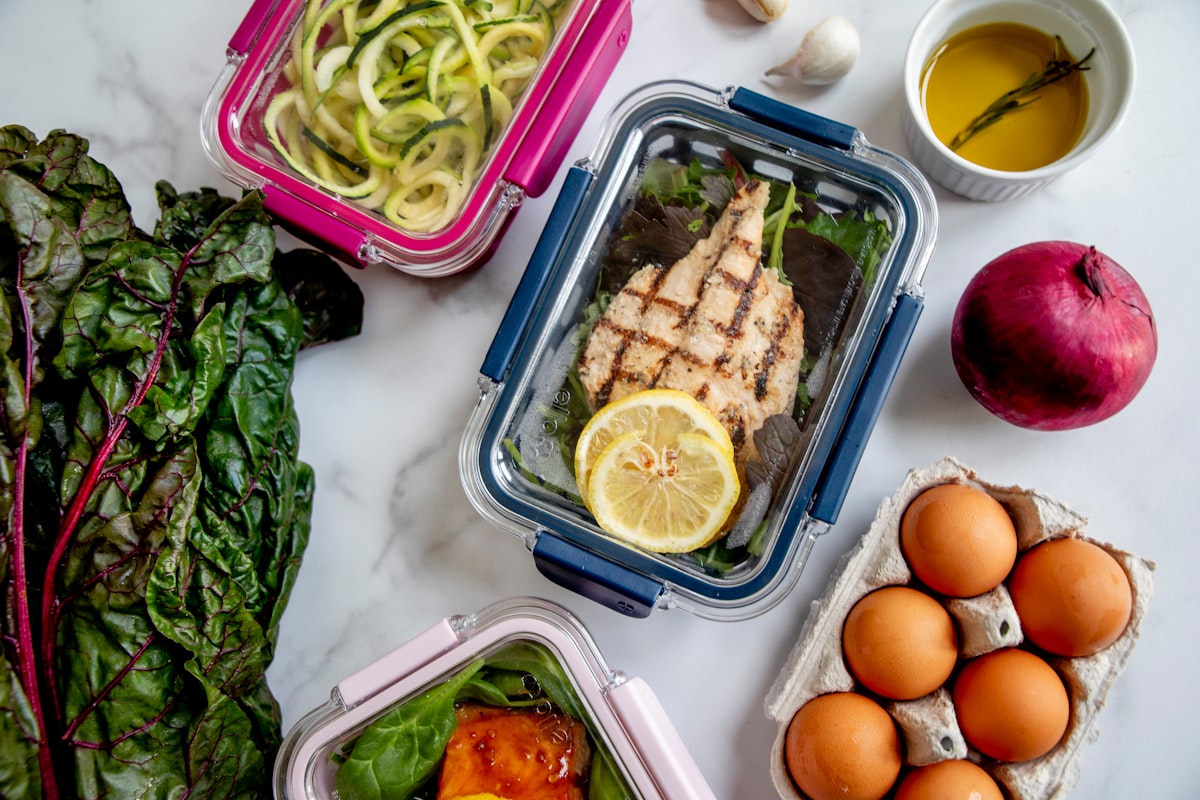
Sheet Pan Dinners
Arrange vegetables and protein on one pan, roast everything together. Minimal cleanup and maximum flavour. Season creatively to enjoy the same meal in different ways throughout the week.
Learn More →
Smoothie Bowls
Blend frozen fruits with yoghurt or plant-based milk, pour into a bowl, and top with fresh berries, nuts, and seeds. A delicious breakfast that feels indulgent but delivers nutrition and fibre.
Learn More →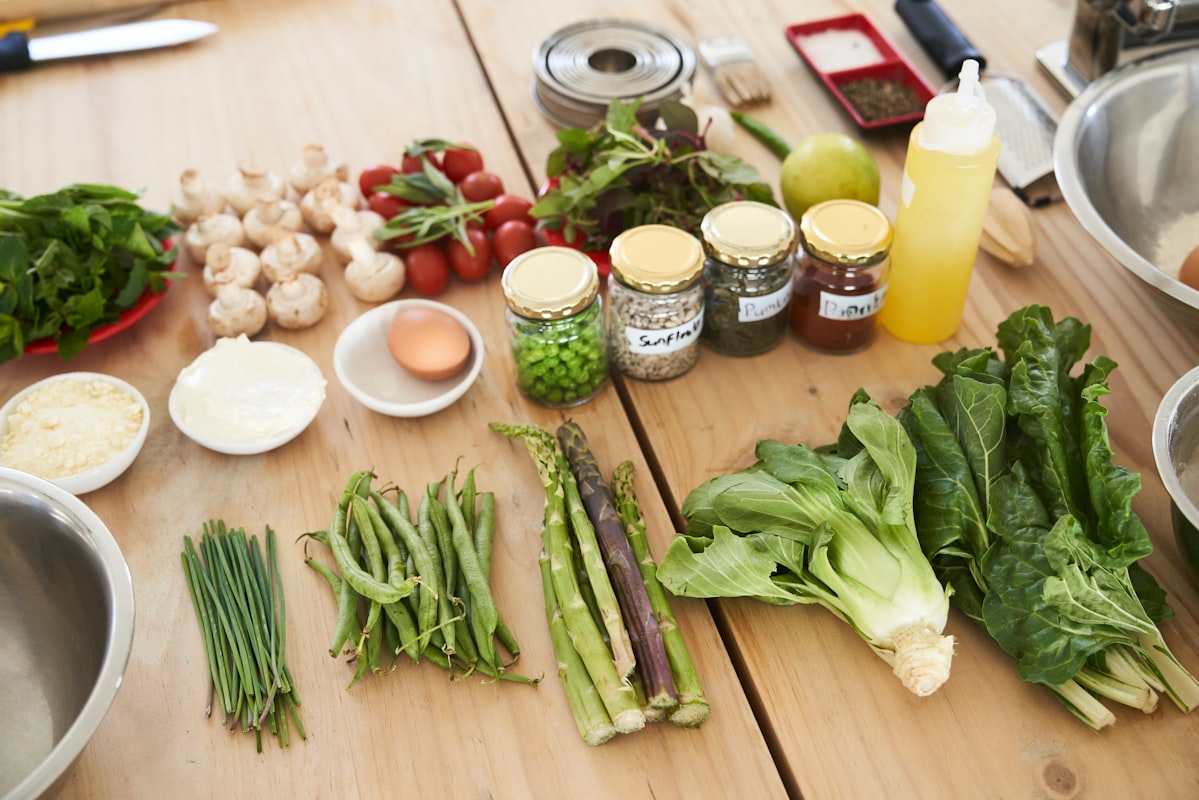
Homemade Snack Bites
Make energy balls from nuts, dates, and cocoa. These portable snacks satisfy cravings while providing sustained energy. Keep them in the fridge for quick grab-and-go nutrition throughout your week.
Learn More →Common Nutrition Questions Answered
The recommended dietary allowance for protein is 0.8 grams per kilogram of body weight for sedentary adults. However, if you exercise regularly or are trying to build muscle, nutritionists often recommend 1.2 to 2.0 grams per kilogram. For a 70kg person, this means 56 grams at minimum, potentially up to 140 grams if very active. Quality sources include chicken, fish, eggs, legumes, tofu, and Greek yoghurt. The timing of protein intake throughout the day matters less than total daily intake.
Success Stories from Our Community
"Learning to meal prep has completely transformed how I eat. I used to grab convenient takeaway daily, but after reading the tips here, I started preparing meals on Sunday. Now I have nutritious lunches ready all week. My energy levels have improved dramatically, and I feel so much better overall. The nutritionist advice really works when you commit to it."
Sarah Mitchell
Bristol
"I never understood why I felt so tired all the time. The articles about balanced macronutrients opened my eyes. I was eating carbohydrates without protein, which explained my energy crashes. Since incorporating the balanced eating approach, my focus at work has improved and I don't experience that afternoon slump anymore. Such practical, actionable advice."
James Cooper
Manchester
"The section on reading labels was eye-opening. I started comparing products I thought were healthy and discovered many contained hidden sugars. By switching to whole foods and learning to spot marketing tricks, I've made choices I actually feel good about. The team's guidance has empowered me to take control of my nutrition rather than blindly trust packaging claims."
Emma Thompson
London
Start Your Nutrition Journey Today
Explore our comprehensive guides, practical recipes, and evidence-based nutrition information. Whether you're beginning your healthy eating journey or refining your existing habits, our editorial content offers the knowledge you need to make informed choices.